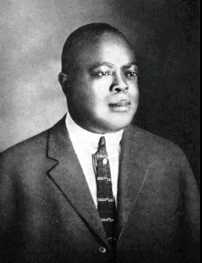
Piano Sheets > Joseph Oliver Sheet Music > Dippermouth Blues (ver. 1) Piano Sheet

Dippermouth Blues (ver. 1) by Joseph Oliver - Piano Sheets and Free Sheet Music

  
About the Song
How to read free sheet music effectively If you are starting out learning how to play piano one of the first things is to learn how to read sheet music for piano. This includes usage of various concepts like treble clefs, bass clefs, key signature and ability to understand actual music notes. The two clefs When it comes to piano notes there are two kinds of clefs. Every clef will have a different note in the space and line. The notes typically begin from A and end with G and repeating the pattern again. Starting a piano sheet from C would then take you to D and then E. when it comes to reading sheet music it takes a little more practice and patience. You would need to memorize the music notes through acronyms to make it easier.  (More...)    Download this sheet!
About the Artist
Joe "King" Oliver (May 11, 1885 – April 10, 1938) was a jazz cornet player and bandleader. He was particularly noted for his playing style, pioneering the use of mutes. Also a notable composer, he wrote many tunes still played regularly, including "Dippermouth Blues", "Sweet Like This", "Canal Street Blues", and "Doctor Jazz". He was the mentor and teacher of Louis Armstrong. His influence was such that Armstrong claimed, "if it had not been for Joe Oliver, jazz would not be what it is today".
Random article
How to read free sheet music effectively If you are starting out learning how to play piano one of the first things is to learn how to read sheet music for piano. This includes usage of various concepts like treble clefs, bass clefs, key signature and ability to understand actual music notes. The two clefs When it comes to piano notes there are two kinds of clefs. Every clef will have a different note in the space and line. The notes typically begin from A and end with G and repeating the pattern again. Starting a piano sheet from C would then take you to D and then E. when it comes to reading sheet music it takes a little more practice and patience. You would need to memorize the music notes through acronyms to make it easier.  (More...)